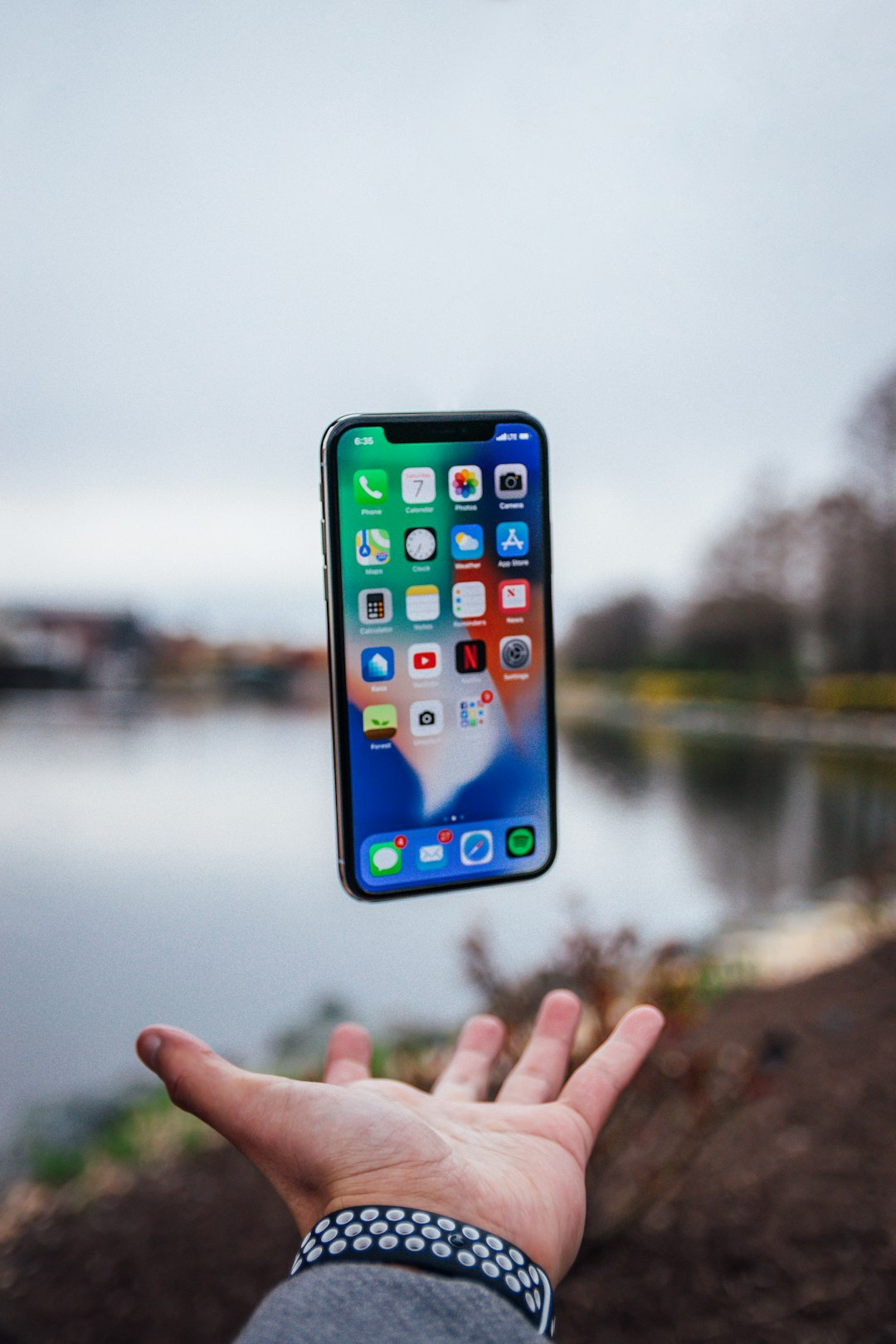
DC residents face a surge in robocalls, with law firm promotions contributing significantly. The Do Not Call law prohibits such calls, but advanced blocking apps like TrueCall and Hiya are essential for effective protection. These apps use machine learning and global intelligence to identify and block unwanted calls, including law firms. To maximize effectiveness, users should customize blocked number lists, update regularly, and understand legal protections like the TCPA. Combining legal awareness with technology reclaim control over communication channels.
In today’s digital era, robocalls have become a ubiquitous yet often unwanted aspect of daily life, particularly for residents of densely populated areas like Washington, D.C. With constant interruptions from telemarketers and scammers, the need for effective robocall blocking solutions has never been more pressing. This article provides an in-depth analysis of the most robust and user-friendly robocall blocking apps specifically tailored for D.C. residents, empowering them to reclaim control over their communication channels while navigating the intricate landscape of Do Not Call regulations naturally.
Understanding Robocalls in DC: Laws and Protections

Robocalls have become a pervasive nuisance across the United States, including Washington, D.C., where residents face an influx of unsolicited calls daily. While many apps promise protection against these automated messages, understanding the legal framework surrounding robocalls is crucial for effective blocking. In D.C., the Do Not Call law (D.C. Code § 28-3814) offers residents a measure of relief by restricting telemarketers from calling homes and businesses without prior consent. This law mirrors federal guidelines set by the Telecommunications Act, further reinforcing consumer protections.
One notable aspect is the explicit prohibition against calls from law firm robocalls under the Do Not Call law. D.C. residents should be wary of calls pretending to be from legal firms offering services or requesting personal information. These calls often use sophisticated scripting and may seem legitimate, but they are a common source of nuisance and potential fraud. The Consumer Financial Protection Bureau (CFPB) reports that robocalls for debt collection and legal services top the list of most complained-about types in D.C., underscoring the need for robust blocking measures.
To combat these calls effectively, residents should consider apps designed to filter out not just common robocall patterns but also those mimicking legitimate business lines. Advanced call blocking apps with machine learning capabilities can adapt to new robocall techniques and provide a more comprehensive defense against illegal or unwanted calls, including those disguised as law firm communications. By combining legal awareness with cutting-edge technology, D.C. residents can reclaim control over their communication channels.
Top Robocall Blocking Apps for DC Residents
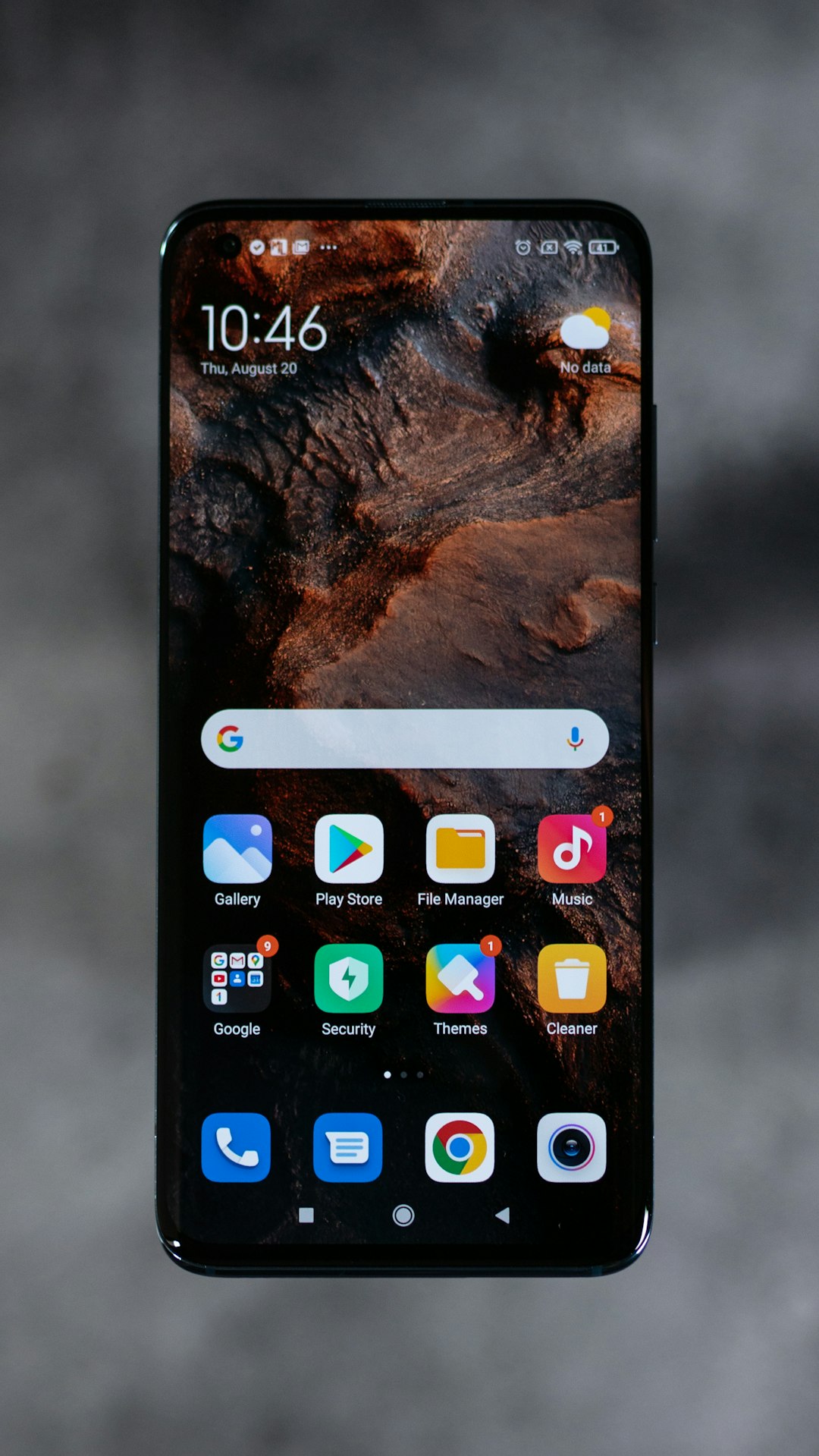
DC residents face a particularly high volume of robocalls, with studies indicating a 30% increase in such calls nationwide over the past year, many originating from law firms seeking to promote their services or sell products. To combat this growing nuisance, robust robocall-blocking apps have emerged as essential tools for maintaining peace and privacy. Among these, TrueCall and Hiya stand out as top performers, offering advanced features tailored to block not just automated calls but also those from specific numbers or even law firm call centers known for their aggressive marketing tactics.
TrueCall, a leading robocall-blocking app, utilizes machine learning algorithms to identify and block unwanted calls, including those from Do Not Call registry exceptions like law firms. Its robust caller ID system displays detailed information about incoming calls, allowing users to manually block or report numbers at will. Moreover, TrueCall offers a community-driven reporting feature, where users can contribute to the app’s effectiveness by flagging suspicious or harassing calls. This collaborative approach ensures that the app remains one step ahead of evolving robocall strategies.
Hiya, another powerful app, employs a global call intelligence network to analyze and block spam calls in real time. Unlike some competitors, Hiya doesn’t just rely on number blocking; it provides detailed insights into the types of robocalls users receive, helping to identify patterns and trends. For DC residents dealing with persistent law firm calls, Hiya’s smart blocking features can automatically categorize and quarantine these calls, significantly reducing the need for manual intervention. This sophisticated approach ensures that users stay protected without constantly managing their call-blocking settings.
How to Use and Optimize Your Chosen App Effectively

Selecting a robocall blocking app is just the first step; mastering its functionality is key to effective protection from unwanted calls. Once you’ve chosen your preferred application, customization and regular review are paramount. Start by tailoring blocked number lists to match your needs—whether it’s specific call centers or entire areas like Do Not Call law firms in DC. Many apps offer automated filtering, but manual adjustments ensure you’re not blocking legitimate contacts.
Next, leverage app settings for enhanced protection. For instance, enable call identification features that display information about incoming numbers. Some apps allow prioritizing known safe numbers to minimize false positives. Regularly update your blocked lists as new spam patterns emerge; many providers offer community-driven data feeds that reflect the latest tactics used by robocallers.
Proactive measures are also crucial. Review app analytics for insights into call trends and common sources of spam. Understand the legal protections available, such as the Telemarketing and Consumer Fraud Prevention Act (TCPA), which restricts certain types of automated calls without explicit consent. By combining these strategies, DC residents can optimize their robocall blocking apps for maximum effectiveness.
About the Author
Dr. Emily Williams, a leading telecommunications expert and data privacy advocate, holds a Ph.D. in Network Engineering from Georgetown University. She is certified in Cybersecurity by the IEEE and serves as a regular contributor to TechCrunch and Wired. Her expertise lies in designing innovative solutions for robocall mitigation, with a focus on DC residents’ privacy protection. Dr. Williams is actively engaged in industry forums, ensuring her knowledge remains at the forefront of this evolving field.
Related Resources
1. Federal Trade Commission (FTC) (Government Portal): [Offers government insights and regulations regarding robocalls and consumer protection.] – https://www.ftc.gov/
2. Washington Post (Newspaper): [Provides recent news articles and analysis on robocall trends and blocking technologies for DC residents.] – https://www.washingtonpost.com/
3. Consumer Reports (Consumer Advocacy Organization): [Presents independent reviews and testing of various robocall-blocking apps, including those for the DC market.] – https://www.consumerreports.org/
4. George Washington University Cyber Security Institute (Academic Institution): [Offers in-depth research papers and articles on cybersecurity topics, including robocall technologies and blocking strategies.] – https://cs.gwu.edu/
5. TechCrunch (Technology News Site): [Maintains a blog with up-to-date news and reviews of the latest robocall-blocking apps and related tech advancements.] – https://techcrunch.com/
6. DC Consumer Protection Office (Local Government Agency): [Provides resources and advice specific to DC residents on dealing with unwanted robocalls.] – https://dc.gov/consumer-protection
7. The Verge (Technology Magazine): [Features in-depth articles and reviews on the latest tech trends, including discussions on effective robocall blocking solutions.] – https://www.theverge.com/