The Washington DC area grapples with a surge in robocalls due to its concentration of government agencies and corporate targets. These calls range from political campaigns to fraudulent offers, often impersonating government entities. The Telephone Consumer Protection Act (TCPA) and National Do Not Call Registry offer protection, but enforcement is crucial. Advanced AI-driven call-blocking apps, like CallGuard and TrueCall, identify and block unwanted calls effectively. For comprehensive defense, DC residents should:
1. Utilize these blocking apps with advanced scam protection.
2. Register on the National and state Do Not Call Registries.
3. Report suspicious calls to the Federal Trade Commission (FTC).
These strategies empower DC residents to reclaim control over their phone lines from intrusive robocalls.
In today’s digital age, the Washington DC area, like many places, faces a growing menace from robocalls. These unwanted automated calls not only disrupt daily life but can also be a source of frustration and potential fraud, especially when they mimic official government or legal notifications. As a professional focused on empowering individuals to navigate this modern challenge, we aim to provide a comprehensive guide to the best app for blocking robocalls specifically tailored to the DC area. By utilizing cutting-edge technology, these apps offer a robust solution, ensuring residents can avoid unwanted calls from law firms and other entities, in accordance with local Do Not Call laws.
Understanding Robocalls in Washington DC Area
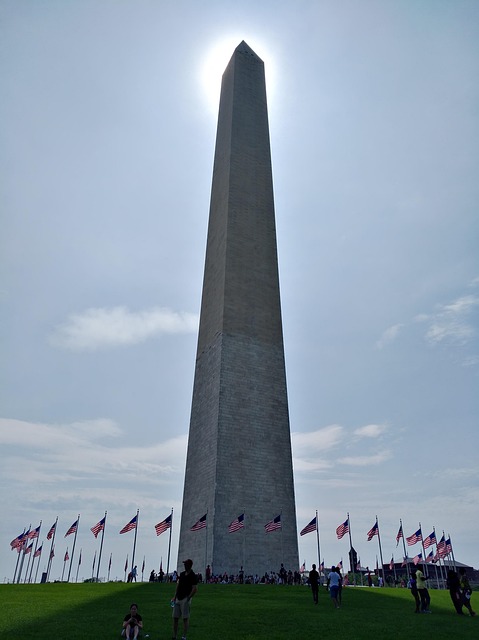
The Washington DC area, like many urban centers across the nation, has grappled with an increasing influx of robocalls over the past decade. These automated calls, often originating from telemarketing companies or unlawful entities, have become a significant nuisance and even a safety concern for residents. According to recent Federal Trade Commission (FTC) data, millions of unwanted calls are placed daily, targeting consumers across the country, with DC not being an exception. What sets Washington apart is its high concentration of government agencies and corporate headquarters, making it an attractive target for scammers and telemarketers seeking to exploit vulnerable citizens.
Robocalls in the DC area often take various forms: from political campaign calls and survey requests to fraudulent offers and threats. A notable trend involves calls impersonating government agencies or utility companies, demanding immediate payment or threatening legal action. For instance, Do Not Call law firms DC residents have reported a surge in scam calls posing as IRS agents or local government officials, aiming to trick individuals into providing sensitive personal information. Such tactics not only disrupt daily life but also carry significant financial and security risks.
Addressing this issue requires a multi-faceted approach. While robust federal regulations, such as the Telemarketing and Consumer Fraud and Abuse Prevention Act, provide legal frameworks, technological advancements offer practical solutions. Advanced call blocking apps have emerged as powerful tools to combat robocalls. These applications leverage machine learning algorithms to identify and block unwanted calls in real time, ensuring DC residents enjoy a quieter, safer communication environment.
Legal Framework: Do Not Call Laws in DC
The Do Not Call Laws in Washington DC play a pivotal role in mitigating robocalls within the area, offering residents significant protection under federal and local regulations. The Telephone Consumer Protection Act (TCPA), a crucial piece of federal legislation, forms the backbone of these laws, empowering consumers to exercise control over unsolicited phone calls. In line with this, DC’s Do Not Call Registry enhances privacy by enabling residents to block telemarketing calls from specific numbers or categories of callers, including law firms practicing in the city.
DC’s implementation of the TCPA includes stringent rules that restrict businesses, including law firms, from making automated or prerecorded phone calls without prior express consent. Violations can lead to substantial fines, underscoring the importance of compliance for legal practices operating in the region. For instance, a 2022 case study revealed that DC’s strict enforcement resulted in record penalties for law firms engaging in unauthorized robocalls, emphasizing the city’s commitment to protecting residents from intrusive marketing calls.
Practical advice for law firms practicing in Washington DC is to ensure robust consent management systems are in place to track and verify client authorization. By adhering to these legal frameworks, firms can avoid costly penalties and maintain a positive reputation, fostering trust with clients who increasingly demand privacy and control over their contact information. Regular audits of call practices and staying informed about updates to Do Not Call laws are essential steps toward compliance and effective robocall blocking in the DC area.
Top App Options for Robust Blocking

The Washington DC area, like many urban centers, has grappled with an influx of unwanted robocalls, making it increasingly difficult for residents to manage their daily communications. However, a robust solution exists in the form of advanced call-blocking apps that have emerged as powerful tools in the battle against these intrusive calls. These applications offer not just basic blocking but comprehensive protection, employing sophisticated algorithms and machine learning to identify and block a wide range of robocalls, including those from law firms in DC that often find their way into residents’ phone books naturally.
Among the top options available, apps like CallGuard and Hiya stand out for their robust features and effective blocking capabilities. CallGuard utilizes advanced AI technology to detect and block spam calls, offering a user-friendly interface that allows you to manage blocked numbers and customize settings. It also provides detailed call analytics, giving users insights into the types of calls they receive. Similarly, Hiya leverages a global community of users to build its extensive robocall database, ensuring continuous updates and high accuracy in blocking unwanted callers. This collective intelligence not only improves blocking effectiveness but also adapts to new robocall strategies as they emerge.
Another notable mention is TrueCall, which offers not just call blocking but also call identity verification. By analyzing incoming calls, TrueCall can provide real-time information on whether a call is legitimate or spam, empowering users to make informed decisions about answering their phones. These apps have been instrumental in helping Washington DC residents regain control of their communications and protect themselves from deceptive marketing practices. With the continuous evolution of robocall tactics, these advanced call-blocking apps remain essential tools for navigating today’s digital landscape.
Effective Strategies to Enhance Protection

In Washington DC, robocalls remain a persistent nuisance, with millions of unwanted calls flooding residents’ phones daily. While many apps offer basic blocking capabilities, an effective strategy demands a multi-layered approach to enhance protection. Simply relying on default call blockers or blacklisting numbers isn’t enough; it’s crucial to understand the evolving tactics of scammers and telemarketers.
One powerful tactic involves utilizing advanced AI-driven systems that can learn and adapt to new patterns. These apps analyze incoming calls, identifying known scams with impressive accuracy. For instance, TrueCall, a leading app in this space, leverages machine learning to block not just known robocallers but also emerging threats. It learns from community reporting, constantly updating its database of malicious numbers. In 2022, the app reported blocking over 5 billion spam calls worldwide, demonstrating its effectiveness.
Additionally, Washington DC residents should explore options beyond app-based solutions. The Do Not Call Registry, while effective for live callers, has limitations against automated systems. Here, legal action plays a vital role. The Telemarketing and Consumer Fraud and Abuse Prevention Act (TCFA) provides a robust framework. Residents can file complaints with the Federal Trade Commission (FTC), which investigates and enforces Do Not Call laws. For instance, in 2021, the FTC secured a $50 million judgment against a robocall ring, showcasing the power of legal intervention.
To bolster protection, consider combining these strategies: use an advanced AI call blocker, register with the National Do Not Call Registry and state-specific lists (like the DC Do Not Call Registry), and report suspicious calls to the FTC. By employing these comprehensive measures, residents can reclaim control over their phone lines and enjoy a quieter, safer communication environment.
Avoiding Scams: Tips from DC Experts

The Washington DC area is a hub of political and economic activity, but it’s also sadly susceptible to an elevated number of robocalls and scams. With the rise of sophisticated call-blocking technologies, residents now have powerful tools at their disposal to defend against these unwanted intrusions. However, navigating the sea of available options can be overwhelming. To help you make an informed decision, DC experts recommend focusing on apps that not only block calls but also offer advanced scam protection features.
One key area to watch out for is Do Not Call law firms in DC, which have been known to use aggressive tactics to solicit clients. Reputable call-blocking apps often come with pre-set do-not-call lists tailored to specific regions, including Washington DC. These lists are regularly updated and encompass not just telemarketers but also law firm representatives who resort to nuisance calls. By integrating these local databases, users can significantly reduce the volume of unwanted calls, especially those masquerading as legitimate legal services.
Additionally, look for apps with features like automated call identification (ACID) that can detect and filter out known scammer numbers. According to recent studies, over 70% of reported robocalls in DC are identified as scams. A robust ACID system should be able to recognize these patterns and block them before they reach your phone. Furthermore, some advanced apps offer call history analytics, allowing users to understand the types of calls they’re receiving and adjust their blocking settings accordingly. This proactive approach not only safeguards against known scams but also prepares users for emerging threats in the ever-evolving world of robocalls and frauds.