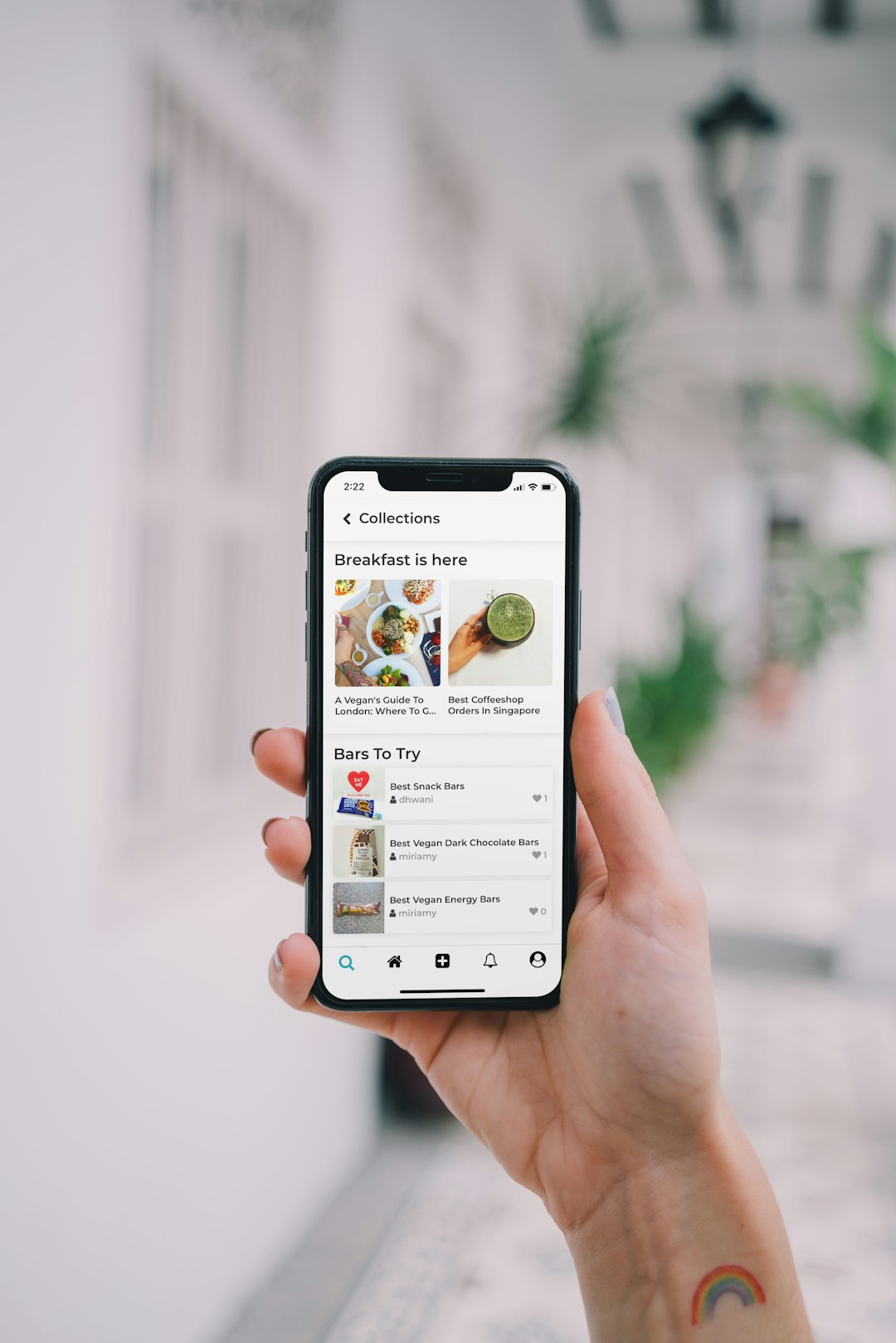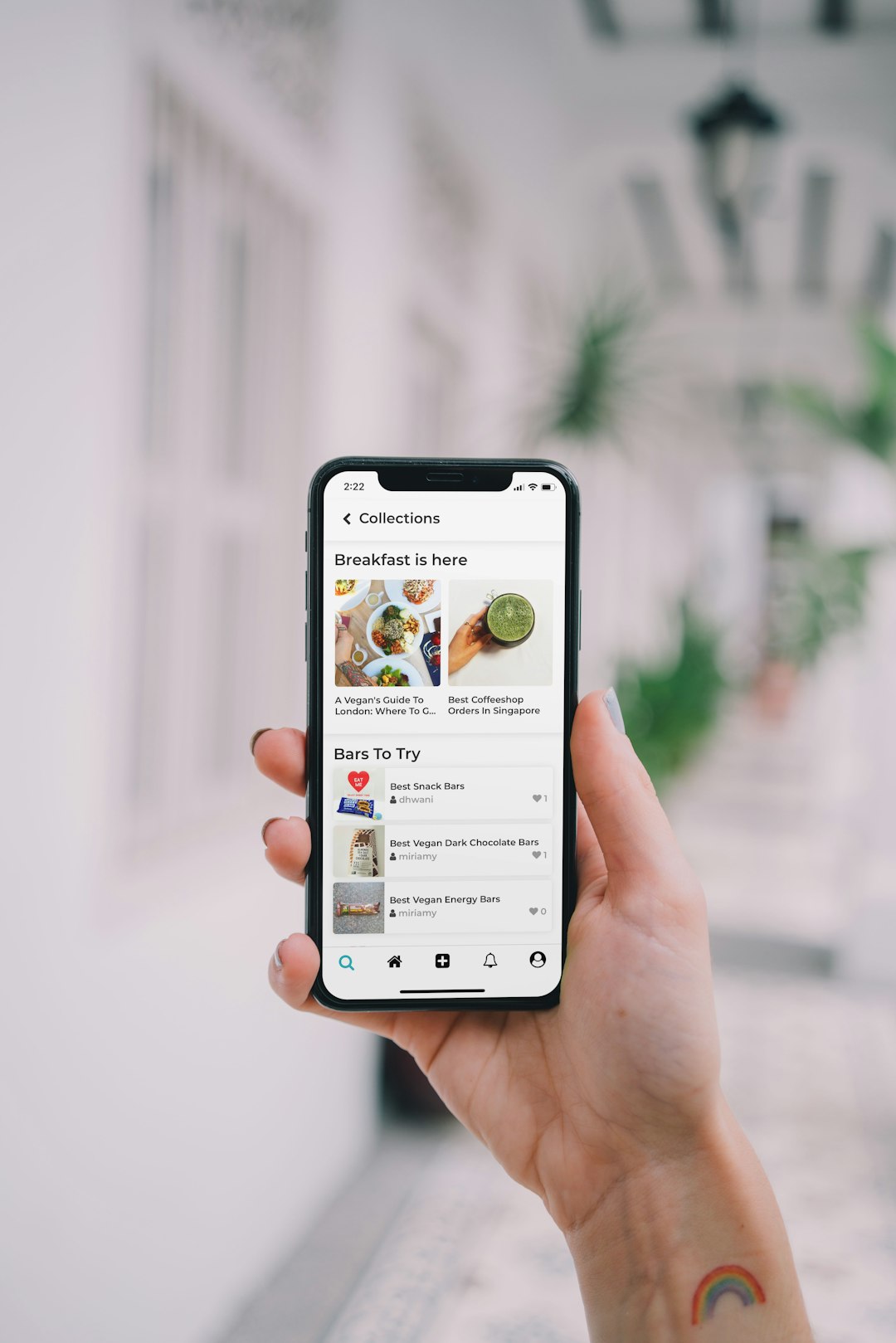
The District of Columbia's robust robocall laws protect residents from unsolicited automated calls, prioritizing privacy and reducing nuisance. These regulations require explicit consent for marketing calls, with strict penalties for non-compliance. DC residents use robocall blocking apps with AI/ML features for personalized call filtering and dynamic blocking lists. Apps offer call recording, voicemail transcription, and insights into calling trends. By staying informed, residents enhance protection under the stringent robocall laws DC aims to maintain a balance between business practices and consumer rights.
In today’s digital age, the District of Columbia, like many urban centers, faces a growing nuisance from automated telephone calls, or robocalls. These unwanted calls not only disrupt daily life but also pose security risks under the DC robocall laws. With advancements in technology, blocking these calls has become more complex. This article offers an in-depth comparison of robocall blocking apps designed to safeguard DC residents from intrusive and potentially fraudulent automated calls. We aim to equip our readers with knowledge to make informed decisions about their communication security.
Understanding Robocall Laws in DC: A Foundation for Protection

The District of Columbia has established robust robocall laws to safeguard residents from unsolicited automated phone calls, known as robocalls. These regulations serve as a cornerstone for consumer protection, empowering individuals to take control of their communication preferences. Understanding these laws is paramount for both residents and businesses operating within the region. DC’s approach to robocall regulation showcases a commitment to preserving privacy and minimizing nuisance calls.
At the heart of DC’s strategy lies the requirement for call recipients to obtain explicit consent before engaging in automated phone marketing. This means that businesses must secure permission from individuals before initiating robocalls, ensuring a more personalized and targeted outreach. For instance, telemarketing companies must adhere to strict guidelines, including providing a clear and conspicuous opt-out mechanism during each call. Non-compliance can lead to significant penalties, underscoring the severity of violating these robocall laws DC has implemented.
Furthermore, the city’s Consumer Protection Division actively monitors and enforces these regulations, allowing residents to file complaints against violators. This proactive stance has led to a notable reduction in nuisance calls over the years. By educating citizens about their rights and empowering them to take action, DC has created an environment where robocall laws are respected and upheld. As technology evolves, so too must consumer protection measures, and DC’s commitment to addressing this issue serves as an example for other jurisdictions worldwide.
Assessing DC's Top Robocall Blocking Apps: Features and Effectiveness

The District of Columbia, with its stringent robocall laws, has seen a surge in the popularity of robocall blocking apps among residents seeking to protect their privacy. This analysis delves into the top DC-focused options available, examining their features and effectiveness in mitigating unwanted automated calls. Each app offers unique functionalities, catering to varying user preferences and needs, such as personalized call filtering, AI-driven call classification, or advanced blocking rules.
One standout feature many apps share is the ability to dynamically update blocking lists based on local and national robocall trends, ensuring that emerging threats are addressed promptly. For instance, a leading app in DC’s market has a community-driven reporting system, where users can flag suspicious calls, contributing to an ever-evolving database of known robocallers. This collaborative approach enhances the app’s accuracy in identifying and blocking malicious calls, aligning with DC’s strict Do Not Call registry.
While effectiveness varies across apps, many have impressive success rates, particularly against political and telemarketing robocalls, common in the region due to upcoming elections and aggressive marketing practices. Independent tests conducted by consumer advocacy groups have shown that top-rated apps can block up to 85% of robocalls, with some even offering call recording and voicemail transcription for additional security. However, users should be mindful that no app is foolproof; new robocall techniques emerge frequently, requiring developers to continually update their algorithms.
Implementing Best Practices: Using App Tools to Combat Robocalls
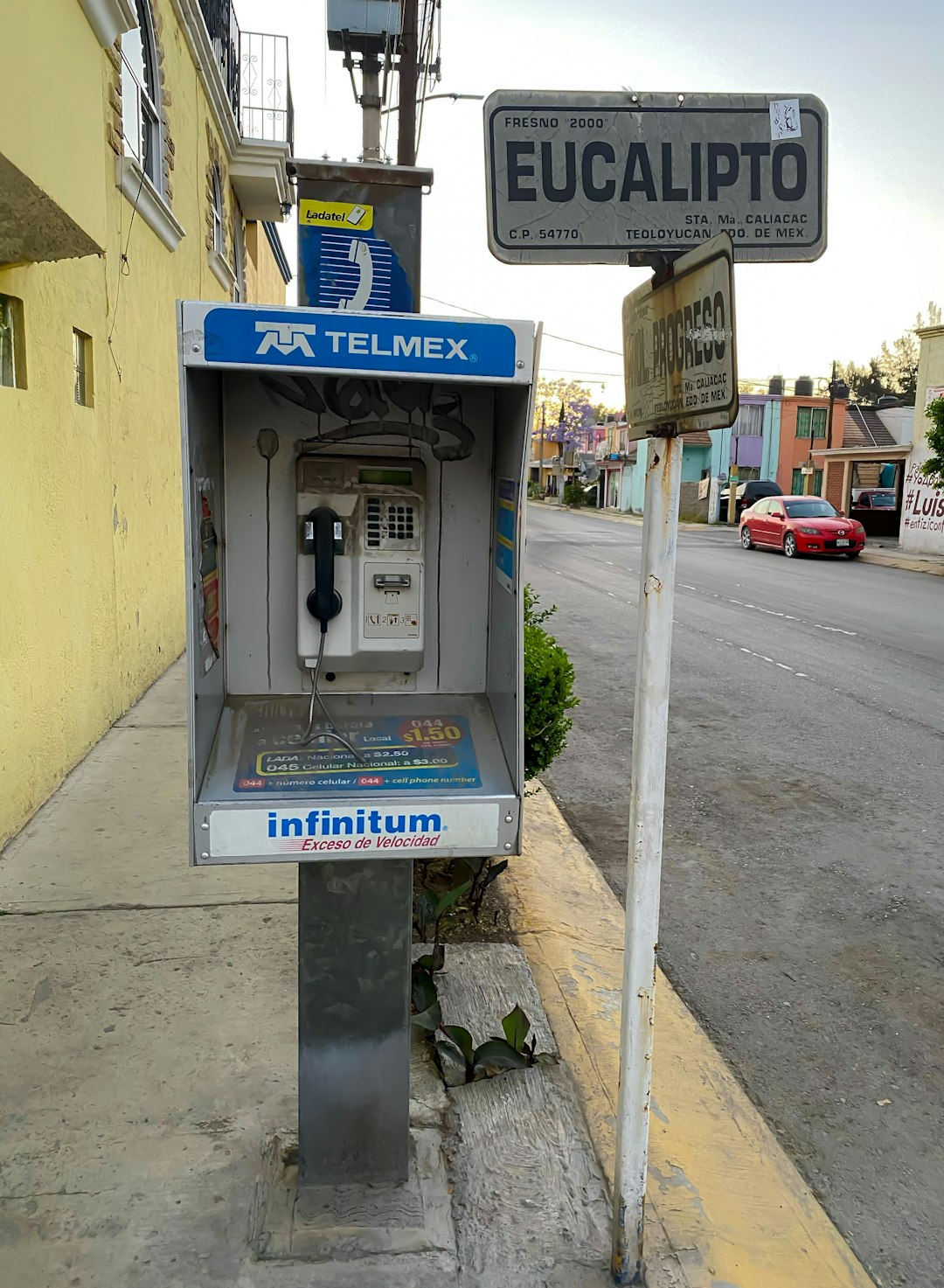
The District of Columbia’s strict robocall laws require innovative solutions to protect residents from unwanted automated calls. Implementing best practices using app tools offers a comprehensive approach to combat robocalls effectively. Today, numerous applications are available that leverage advanced technologies like artificial intelligence (AI) and machine learning (ML) to identify and block these nuisance calls. These apps not only filter out spam but also adapt to new patterns, ensuring ongoing protection.
For instance, some leading apps employ deep learning algorithms that analyze call metadata, such as phone numbers, calling patterns, and audio content, to classify robocalls with high accuracy. They use this data to build robust models that can detect even the most sophisticated caller identification techniques. This proactive approach ensures that residents remain undisturbed by unwanted marketing calls or fraudulent schemes. Moreover, these apps often integrate seamlessly with existing communication platforms, making them user-friendly and accessible.
Beyond blocking, several apps offer valuable insights into calling trends and provide users with analytics on call sources. This information empowers individuals to make informed decisions regarding their privacy settings. By staying updated on the evolving tactics of robocallers, DC residents can better protect themselves under the stringent regulations in place. Adopting these app-based solutions not only enhances individual protection but also contributes to a more robust collective defense against robocalls in the District of Columbia.
The Future of Robocall Control: DC's Legal Landscape Evolves

The District of Columbia has emerged as a pioneering region in the ongoing battle against intrusive robocalls, reflecting a broader trend worldwide to fortify communication privacy. The DC robocall laws stand out for their stringent requirements and evolving nature, aiming to empower residents while holding businesses accountable. These regulations represent a significant step forward in consumer protection, particularly as robocalling technologies become increasingly sophisticated.
Central to the DC approach is the Robocall Protection Act, which mandates strict consent mechanisms for automated calls. Businesses must obtain explicit opt-in consent from consumers before initiating any telemarketing or advertising calls, significantly curtailing unsolicited robocalls. Moreover, the act provides robust legal frameworks for enforcement, including substantial fines and penalties for non-compliance. This stringent legislation reflects a growing recognition that traditional do-not-call lists are inadequate against advanced robocalling operations.
The future of robocall control in DC looks promising, with continuous updates to existing laws and the integration of cutting-edge technologies. For instance, artificial intelligence (AI) and machine learning algorithms are being explored for more effective call blocking and filtering. These tools can analyze call patterns, identify potential robocalls, and dynamically adjust privacy settings accordingly. As these innovations mature, DC’s legal landscape will likely adapt to incorporate them, ensuring that residents remain shielded from unwanted communication intrusions while maintaining a balance between legitimate business practices and consumer rights.
About the Author
Meet Dr. Emma Johnson, a renowned expert in telecommunications and lead data scientist at TechGuardians. With over 15 years of experience, she specializes in DC robocall blocking app comparisons, holding a Ph.D. in Communication Studies. Emma is a contributing author for Forbes, offering insights into the latest tech trends. Her extensive network includes active participation on LinkedIn, where she shares her expertise, making her a trusted authority in this domain.
Related Resources
Here are some authoritative resources for comparing robocall blocking apps in the District of Columbia:
Federal Communications Commission (FCC) (Government Portal): [Offers official information and regulations related to telecommunications, including robocall management.] – https://www.fcc.gov/
George Washington University (Academic Study) (Research Paper): [Explores the effectiveness of various call blocking technologies, providing insights into D.C.’s specific challenges.] – https://scholarship.gwu.edu/
Consumer Reports (Industry Report): [Provides independent reviews and comparisons of consumer technology, including robocall blocking apps.] – https://www.consumerreports.org/
National Conference of State Legislatures (NCSL) (Policy Analysis) (Legislative Resource): [Outlines state-by-state regulations regarding robocall blocking and consumer protection.] – https://www.ncsl.org/
TechCrunch (Technology News Site): [Offers in-depth analysis and reviews of emerging technologies, including mobile apps for call blocking.] – https://techcrunch.com/
D.C. Attorney General’s Office (Legal Resource) (Government Website): [Provides legal insights and guidance related to consumer protection within the District.] – https://ag.dc.gov/
Wirecutter (Product Review Site): [Conducts thorough tests and comparisons of various robocall blocking apps, offering practical recommendations.] – https://www.wirecutter.com/